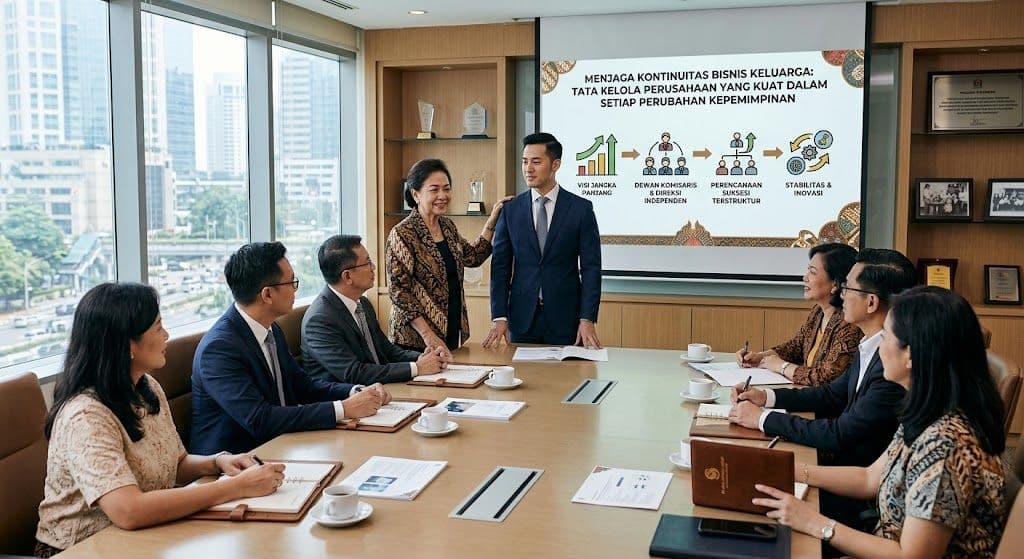
Leadership transitions are often assumed to occur naturally over time. In reality, a successful transition is the result of strategic planning that takes emotional and mental aspects into account. This article examines the central role of a business owner in preparing three key elements to ensure the business continues to run smoothly even as day-to-day operational control begins to be handed over.
Preparing the Company and Governance
An essential first step is ensuring the organization has operational autonomy without relying on the founder. This requires a shift from a personalized management style to a standardized, system-based approach.
An organization’s readiness is measured by the strength of its governance. Plans regarding a successor and the future organizational structure must be communicated transparently to all stakeholders. The goal is to maintain the stability of the business ecosystem during a leadership transition.
Preparing the Next Generation
The next strategic task is to equip the next generation with the willingness and competence to lead. However, this process must also include contingency plans in case their career aspirations differ from the company’s leadership path.
If the next generation decides not to manage operations directly, the company owner needs to develop alternative scenarios. This could involve appointing external professionals or developing a long-term plan that preserves the family’s core values. Having a contingency plan in place prevents a leadership vacuum from arising during the transition period.
The Founder’s Mental Readiness
An element that often poses the greatest challenge is the founder’s own internal readiness. After dedicating 30 to 40 years to building the company, stepping back from a central role requires a high degree of emotional maturity.
The founder must prepare to step down from day-to-day operational responsibilities. Defining a new role or productive activities for the post-transition period is crucial to avoid the temptation to re-engage in technical matters that have already been delegated to the new management.
The success of succession reflects how well a leader prepares the organization’s future without their direct involvement. By focusing on strengthening the company’s systems, ensuring the successor’s readiness, and cultivating personal mental maturity, a founder ensures that their business legacy continues to thrive professionally in the future.