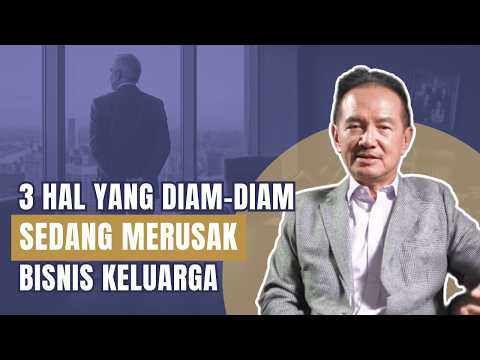
An organization’s effectiveness depends heavily on the clarity of authority at the decision-making table. As a company grows from small to medium-to-large scale, the boundaries between the roles of owners and management often become blurred. This article outlines the importance of the philosophy of role separation to prevent decision-making stagnation—a situation where many parties discuss issues but no concrete action is taken.
Side One: The Owner’s Role in Setting the Direction
As an owner, the primary focus is on the long-term vision and the end result. However, challenges arise when owners enter operational meetings without being aware of their position.
- Avoiding Excessive Intervention: Owners need to restrain themselves from getting involved in technical details that should be handled by managers or directors.
- Allowing Room for Ideas: Too many instructions from owners on minor details can stifle the creativity of the implementation team on the ground.
The Other Side: Management’s Mandate in Execution
Management or the board of directors is appointed to run the day-to-day operations of the company. For them to perform at their best, clarity regarding authority at the decision-making table is essential.
- **Autonomy to Make Decisions:** The management team must have the authority to make decisions within their areas of responsibility without always having to wait for the owner’s approval on trivial matters.
- Clear Responsibilities: When role boundaries are clearly defined, management will be more confident in taking action because they know exactly what their responsibilities entail.
The Third Issue: The Risk of “Fruitless Meetings”
Without a clear separation of roles, companies often get stuck in a situation where everyone agrees on many ideas, but no decisions are actually implemented.
- Endless Discussions: Many ideas are proposed, but execution is nonexistent because no one feels they have the final authority to make a decision.
- Bureaucratic Delays: The company becomes rigid because every small step must go through lengthy discussions with parties who are actually irrelevant to the technical issue at hand.
The separation of roles between owners and management is not intended to limit power, but to create speed in the workplace. By understanding when to speak as an owner and when to give management space, the company will avoid overlapping authority. This maturity in corporate governance will lead the company toward more stable, professional growth and better prepare it to face broader market challenges.