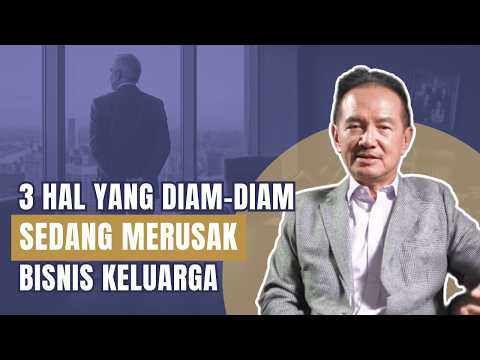
The arrival of a new generation within a company’s structure often brings a spirit of change and innovation. However, there is a fundamental principle that must be understood before making changes to the existing system. That principle is understanding the reasoning behind every decision that has already been made. This article explores why understanding history and building credibility are essential prerequisites before undertaking business transformation.
Understanding the History Before Making Changes
There is a relevant saying for aspiring leaders: before tearing down a fence, first understand why that fence was erected a hundred years ago. This principle emphasizes that every existing policy or system within a company has a strong historical background.
Implementing change without a deep understanding of why a particular policy exists within the company can sometimes be the spark that ignites potential conflicts among family members in a family business.
The next generation needs to realize that the role of leadership is not merely about replacing things considered outdated. Understanding the context behind the existence of these systems before proposing changes is also crucial.
Credibility does not come automatically with a position. Without a track record and an understanding of the company’s core values, proposals for change from the new generation are likely to face resistance from the existing internal ecosystem.
Valuing the Role of Pioneers
A founder*’*s success in growing a business is impossible to achieve alone. There are significant contributions from their spouse as well as individuals within the company who have been part of the struggle since the very beginning.
The next generation must not overlook the people who built the company. Honoring their contributions is a matter of ethics and a form of recognition for the human foundation that has sustained the business to this day.
You must understand this before you suggest changing anything.
David Bingei, Fidelitas Advisors
The Principle of “Connection Before Correction”
The essence of a healthy transition for the next generation is prioritizing connection before making corrections. Without strong relationships with people and traditional values, efforts to improve the system can actually disrupt the organization’s harmony.
Corrections to the old system will only be effective if preceded by genuine connection. The next generation must be able to empathize with the struggles of the past so that the input or innovations they bring can be accepted as a form of development, not as an erasure of history.
Innovation in the hands of the next generation is essential, but it must go hand in hand with respect for history. By prioritizing the principles of building connections and understanding the values of the pioneers, the leadership transition will result in effective change and a stronger business legacy.